Who we are
Sinopec Chemical (hereinafter referred to as "the Company") is a modern enterprise group established to meet the high-quality development needs of the energy and petrochemical industry. It focuses on providing services across the entire energy and petrochemical industry chain, operates under a chairman-led system (the chairman also serves as the legal representative), and is headquartered in a core economic region. The Company exercises strategic planning and investment management functions over its affiliated entities and fulfills its legal responsibility for asset...
Read More

Sustainability
Environmental Stewardship
Adhere to the synchronous development of industrial production and environmental protection.
Emission Compliance
Ensure stable and compliant emissions of pollutants
Accident Prevention
Prevent major environmental pollution accidents, and build a green and civilized enterprise
Our Culture
Culture
Provide customers with more valuable chemical supply solutions
Core Values
Putting oneself in others' shoes, achieving mutual benefits for employees, customers, and shareholders
Business Philosophy
Take the market as the navigation mark and the customer as the center
Corporate Mission
Create value for customers, employees, and shareholders
News Feed
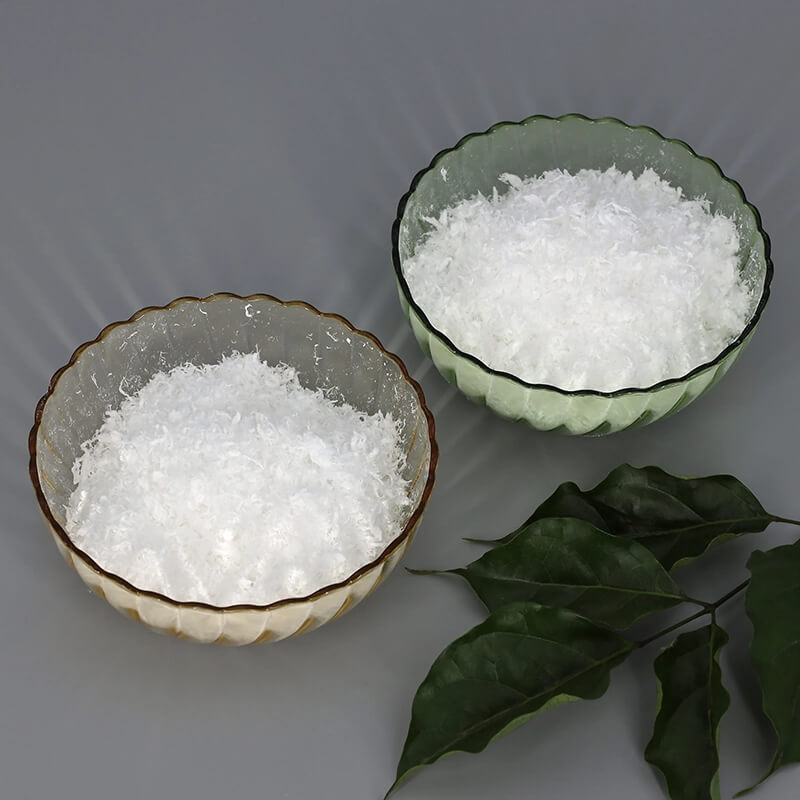
Manufacturing and Production of Sinopec Polyvinyl Alcohol (PVA)
Sinopec stands as a giant in the chemical industry, and its polyvinyl alcohol production shapes downstream sectors far beyond China’s borders. From packaging films and adhesives to construction and textile sizing, polyvinyl alcohol forms the backbone of so many everyday items. Sinopec’s scale and focus on quality carry a lot of weight. By developing advanced polymerization techniques and refining every step, the company keeps production consistent and reliable. That builds a lot of confidence for users who depend on steady material quality and supply. Markets around the world rely on large producers like Sinopec to keep the shelves stocked and the factories moving, especially during times when logistical shocks hit smaller players harder. Too often, talk about chemical manufacturing skips over how vital secure, ethical raw material sourcing is. Producing PVA calls for high-purity vinyl acetate monomer, which comes with embedded energy and labor costs all the way up the supply chain. I’ve seen firsthand how volatile prices or hiccups at gas or acetic acid suppliers ripple through factories—an outage at a single upstream plant can mean idle machines and canceled shipments for weeks. Sinopec’s tight grip on sourcing, together with integrated refining, helps buffer these shocks. With environmental pressure ramping up, manufacturers must pay more attention to the carbon footprint of their feedstocks and the safety standards in their sourcing contracts. Governments and watchdog groups increasingly demand transparency, putting more pressure on big firms to maintain clean supply chains and minimize hazardous byproducts. PVA production carries a heavy burden, not just in terms of energy demands, but in waste management and emissions. Every year, stricter enforcement around water use and effluent discharge ask producers to find greener ways forward. Costs stack up quickly when handling wasted solvents and process water that can’t just go down the drain. Forward-thinking companies invest in closed-loop systems, advanced filtration, and effluent treatment plants to meet tough regulatory demands. Some facilities, including ones in Sinopec’s network, have started piloting water reuse and waste heat recovery units. That not only shrinks costs over time, but signals real responsibility to neighbors who have seen rivers and air degrade from decades of unchecked chemical manufacturing. Cooling towers, scrubbers, and proactive leak detection stand as daily checkpoints—not just expensive line items. These investments pay off in fewer penalties, healthier workers, and respect from surrounding communities. Polyvinyl alcohol may sound like just a base chemical, but real lives depend on its performance. I’ve worked with film-forming and fiber-spinning operations that demand clarity, particle size control, and perfect levels of alcoholysis in every bag delivered. Cosmetic producers want purity and reproducibility, while automotive firms need high tensile strength for certain coatings and composite reinforcements. Lapses in the production line, even for one shift, risk whole batches being thrown out. Sinopec’s in-house labs run frequent tests for viscosity, degree of hydrolysis, and contaminants, while tight batch tracking ensures traceability. For specialty applications—where PVA serves as an emulsifier, a thickener, or a water-soluble film carrier—these controls keep production lines humming. No high-tech sector grows without robust quality assurance backing every truckload of resin shipping out the gates. Demand for PVA looks set to keep climbing. Traditional markets in packaging and papermaking show steady growth, but the real action comes from lithium battery separators, 3D printing, and specialty pharmaceutical films. Sinopec and producers like it face more calls to develop custom grades, higher-performance blends, and resins with controlled molecular weights. Often, end-users tailor production run by run to optimize cost and shelf life, so manufacturers need to stay on their toes. Price hikes or shortages hit small converters and customer-facing businesses quickly, since inventory buffers have shrunk from just-in-case to just-in-time. Maintaining stable partnerships, transparent pricing, and clear technical support ensures not only market share for Sinopec, but also strengthens the whole downstream supply chain. Global volatility, such as pandemic-related disruptions or energy crunches, shines a spotlight on how tightly our industries are connected through these base materials. Safe chemical manufacturing always comes down to crew commitment, up-to-date equipment, and tough procedures—and that costs real money. Having walked factory floors, I know how lapses in safety and training lead to not just injuries but lost days, lawsuits, and sometimes major plant shutdowns. Sinopec’s own investments in digital monitoring, predictive maintenance, and worker education go past regulatory compliance. These keep operations resilient whether demand jumps, new rules roll in, or supply chains get squeezed. Long-term competitiveness won’t come from squeezing overtime or cutting corners, but from reducing accident rates, lowering emissions, and making staff feel invested in the company. Responsible production doesn’t just protect brands; it ensures a steady paycheck for tens of thousands of workers who count on these jobs to support their families and local economies. Looking forward, the industry would benefit from increased collaboration around safety benchmarks, digital transformation, and sustainable feedstock projects. Producers like Sinopec can work directly with universities and tech startups on new catalysts, recycling technologies, and low-waste formulations. End-users can share feedback more rapidly, helping manufacturers adapt grades and logistics to minimize cost and downtime. Facilitating faster data exchange between labs and production lines keeps errors minimal and innovation pipelines full. Stronger partnerships, transparent reporting, and continual investment in greener operations offer a path through shifting global regulations and evolving customer needs. Instead of short-term fixes, the sector can move toward more sustainable, community-friendly growth, with Sinopec leading by example among major global producers.
Read More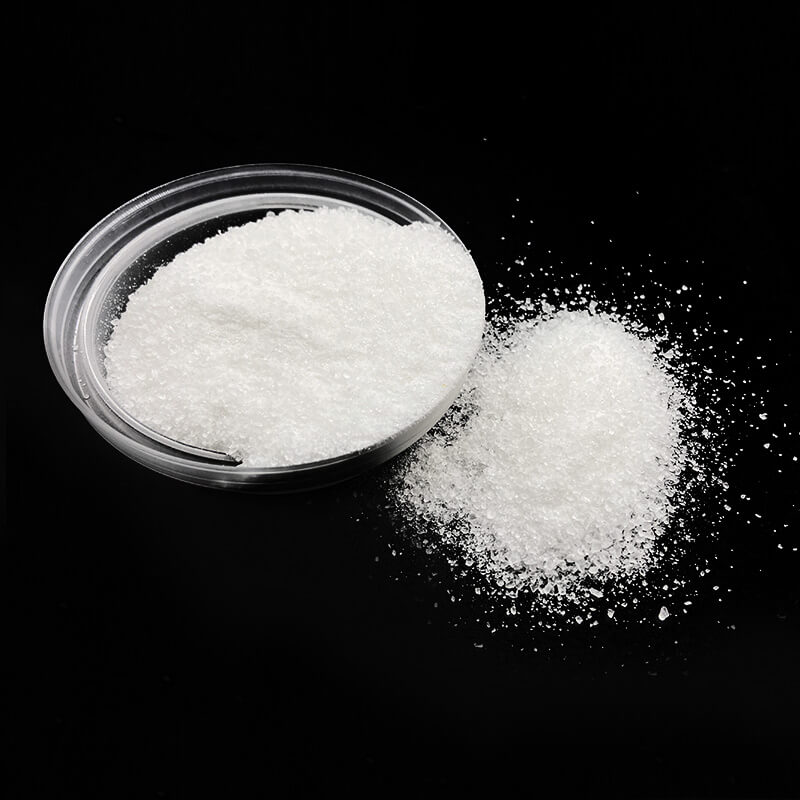
Where to Buy Sinopec PVA
A few years back, I started working in a small plastics business. Quality control filled my days, and Sinopec PVA kept showing up on purchase lists. The fact that this material could bind things together, keep films clear, or thicken a batch of adhesives made it almost legendary in our shop. But finding a reliable seller who offered authentic Sinopec PVA in bulk turned out to be a lot harder than clicking ‘add to cart’ on a random online store. One big issue revolved around spotting the real deal among a sea of generic polyvinyl alcohol sellers. I learned pretty quickly that many warehouse sellers on e-commerce sites slap on a Sinopec label, but rarely offer proof they source straight from Sinopec’s distribution channels. You want the brand’s consistent viscosity and purity, but only official distributors and large chemical providers can offer batch traceability, certificates of analysis, and real technical support. Trust goes hand-in-hand with safety, so I’ve since made it a rule to contact sellers for detailed product datasheets and proof of origin. Cycles in global supply chains can boost prices and flood the market with counterfeits. I found that reaching out directly to Sinopec’s main sales branches or wandering through the top global chemical trade shows gave me a better sense of which suppliers handled PVA with care. Every reputable outlet operated with total transparency, whether it was a state-backed Chinese supplier or long-standing international brokers in Europe and North America. I like to see a supplier handle requests for full compliance records and safety data without hesitation. This open approach signals that they take both customer safety and product standards seriously. Sometimes, prices dip from new or third-party platforms, but if a supplier dodges sourcing questions or has zero public reputation, that bargain quickly turns into a supply chain nightmare. Our team stuck with authorized dealers, and efficiency improved when we could talk directly with application engineers–not faceless intermediaries. The growth of online B2B platforms has changed the way most businesses get raw materials. Alibaba, Made-in-China, and similar platforms do list Sinopec PVA in huge quantities. But I’ve seen colleagues burn money on shipments that either vanished or landed with substandard material that clogs production lines. I put faith in sites that provide verified business licenses, with a clear contact in their export division. On the flip side, established chemical distributors still hold an edge in customer support, credit terms, and risk management. You actually talk to a human being who understands both logistics and the regulatory quirks of shipping hazardous goods. My advice: Small buyers and first-timers should stick to local or regional distributors, especially for trial orders. Only scale up through direct relationships forged at industry expos or by linking straight to Sinopec through their official channels. Low-quality polyvinyl alcohol from shadowy sources rarely performs up to Sinopec’s standard. That plays out in paint that won’t stick, adhesives that fail at the worst moment, or medical packaging that doesn’t pass certification. I’ve dug deep into audit logs and certificates to make sure the supplied batch numbers line up with authorized Sinopec shipments. Any supplier unwilling to offer open access to technical documents or to let you check their business registration probably cuts corners. In a worst-case scenario, I saw an importer lose money when the promised PVA turned out to be bulk repack from a totally unknown source. Insurance didn't cover contaminated runs, and production stopped for weeks. Relying on trusted logistic partners and requesting pre-shipment sample testing will cut out most of those risks. Anyone serious about long-term business needs to build relationships with a handful of trusted suppliers. This goes beyond chasing the lowest quote or scrolling endlessly through online listings. Supply chain transparency has become a requirement, not just a perk. Sinopec maintains a strong presence at global trade fairs, often showcasing new grades and talking openly about batch composition. Showing up at these events has landed me far better deals, plus insider knowledge on shipment availability and compliance trends. Large buyers can usually secure direct contracts or use regional master distributors who specialize in Sinopec materials, but even smaller operations can talk their way into reliable supply channels by communicating honestly and asking technical questions upfront. Fast money rarely brings steady sourcing, especially in the world of specialty chemicals. After years in material sourcing, I pay attention to seemingly small warning signs: missing safety documentation, vague answers on origin, or a lack of detailed shipping timelines. Real suppliers put their technical staff on direct calls and walk you through viscosity specs, safe handling, and regulatory needs. I’ve dodged problems by insisting on references and scouring buyer reviews. Buyers who flush their cash on unverified sources often get burned, ending up with low-grade material and an empty recourse process. Even in this digital age, nothing beats a direct phone call or, better yet, a face-to-face chat at a chemical expo. It’s worth it to put in the time upfront before any money changes hands. Long nights in the factory taught me that chemistry doesn’t care about rushed orders or shortcuts. Quality, safety, and a stable supply all depend on diligent sourcing from reputable dealers, not just on chasing a lower quote today. Sinopec PVA has earned its reputation because of those high standards, but all that goes out the window with the wrong supplier. If you put real effort into research, reach out early to experts, and stay strict about compliance, business flows smoother and safety stays high – and that means less stress and more profit for anyone willing to do the work.
Read More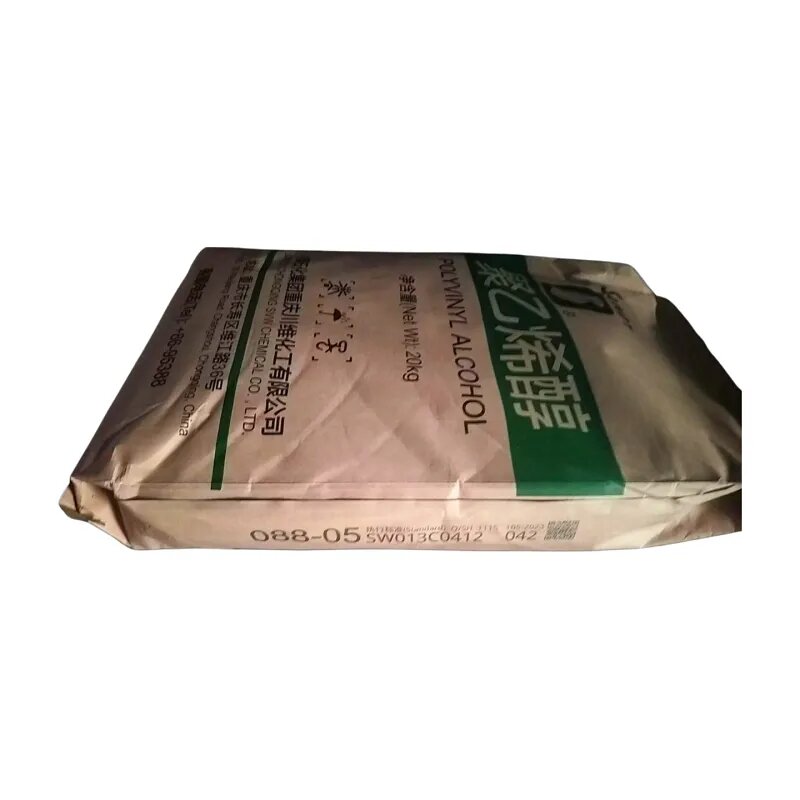
What is SUNDY PVA Polyvinyl Alcohol?
SUNDY PVA Polyvinyl Alcohol shows up in far more places than most people imagine. Having worked in both industrial and environmental fields, I have seen firsthand how materials like polyvinyl alcohol quietly impact so many products regular folks use day in, day out. SUNDY PVA stands as a trade name for a type of polyvinyl alcohol powder recognized for quality and consistency, especially in markets across Asia and increasingly elsewhere. Take packaging as just one example—food-grade films owe a lot to this substance because it creates a film that blocks out oxygen but lets moisture through. This combo keeps food fresher longer, reducing waste and saving money for manufacturers and families alike. People sometimes overlook the impact of these small advantages, but after spending years in food science labs, I learned minor improvements in film quality brought about noticeable shelf-life extensions, sometimes up to a week or more. It means fewer trips to the trash, less spoilage, and savings that add up over time. From the moment you step inside a factory producing adhesives, paints, or textiles, you see how vital reliable raw materials are to keeping things running smoothly. Employees out on the floor often say that if their supply chain stutters, even just a bit, the whole operation feels the hit. That’s where SUNDY PVA comes into play. Its specific physical and chemical characteristics—good water solubility, high film strength, and reliable viscosity—make it stand out. Workers prefer consistent results because it keeps their output predictable. You’ll hear the same thing from craftspeople in ceramics and paper making, where stability during production makes everyone’s job less stressful. Factories that rely on SUNDY PVA speak highly of the lower downtime they experience once they make the switch from variable sources. In situations where budgets run thin and deadlines get tighter each year, having a dependable ingredient can be lifesaving for both managers and staff. Years ago, while working with a group concerned about microplastics, I started noticing more attention on water-soluble materials as a possible answer to growing plastic waste. Polyvinyl alcohol, including SUNDY PVA’s grades, dissolves in water and breaks down faster than traditional plastics when handled correctly. The conversation shifts quickly to practicalities: Will this material truly disappear and avoid clogging up waterways? Scientists point out that after proper treatment, PVA leaves minimal environmental impact, provided the infrastructure exists to handle it. Countries with strong wastewater treatment systems report solid results, so the potential remains high. I’ve watched environmental teams install PVA-based packaging in city pilot programs aiming to lower the volume of single-use plastics, and the early outcomes look promising. People at home rarely notice the difference between a PVA bag and a regular plastic one until it's explained why that change matters. Education and access play huge roles in widespread adoption, but early indications point to steady growth as awareness spreads. Companies in construction and textile industries bring up SUNDY PVA most often while talking about performance and longevity. In mortar and cement mixtures, polyvinyl alcohol enhances flexibility and bonding. Years ago while shadowing a building project, I overheard site workers debating the benefits of adding PVA—one older bricklayer swore by how it boosted workability, giving him a smoother finish and fewer cracks months later. In textiles, PVA provides a sizing agent that prevents fibers from breaking during weaving, driving up quality and reducing waste. These subtle changes on the factory floor turn into real gains: fewer repairs, tighter fabric, and fewer rejected batches. Apparel companies trying to cut back on resource use and costs find a friend in high-quality PVA because broken threads and expensive re-dos drop by noticeable amounts. No product comes without questions, and SUNDY PVA is no different. I have sat in too many meetings where regulatory experts ask about toxicity or biodegradability. Authorities focus on safety profiles, downstream impacts, and raw material sourcing. The chemical industry, often criticized for opacity, faces growing pressure for traceability and green credentials. SUNDY PVA typically scores well in quality and transparency, which puts it a step ahead as buyers prioritize safety and sustainability. Achieving better environmental outcomes means not just cleaner production, but clearer recycling and disposal roadmaps for end-users. Companies and researchers need to keep building strong relationships with regulators and local communities, sharing honest data and working on better product stewardship. Listening closely to feedback from users on health or environmental worries matters more now than ever before, as tighter rules and higher expectations continue shaping the market. Looking at long-term trends in materials science, SUNDY PVA stands as a sign of how companies have started to aim higher than just function and cost. As a coach for young engineers, I see my students designing with a focus on lifespan, reusability, and low environmental impact. Polyvinyl alcohol opens the door to new medical uses—think drug delivery films and wound dressings. Surgeons and nurses in busy hospitals already notice the difference: dressings that dissolve, leaving less waste and saving precious minutes in post-surgical care. The ongoing challenge rests in matching that promise with practical outcomes on the factory floor and in hospital wards. Research and development teams continue to push for new blends that keep the doors open for more customization, safer disposal, and resilience in supply. All these discussions come back to the experiences of the people using, making, and living with new materials. SUNDY PVA means fewer headaches for production lines, longer lasting products for consumers, and, with the right efforts, a lighter touch on the planet. Giants in packaging, construction, and healthcare keep looking for smarter ways to use these materials, but the most important voices come from people on the floor and in the field. They see problems and solutions before anyone else. That ongoing feedback helps suppliers like SUNDY adapt their products and support better practices in many corners of the world.
Read More